
Sale!


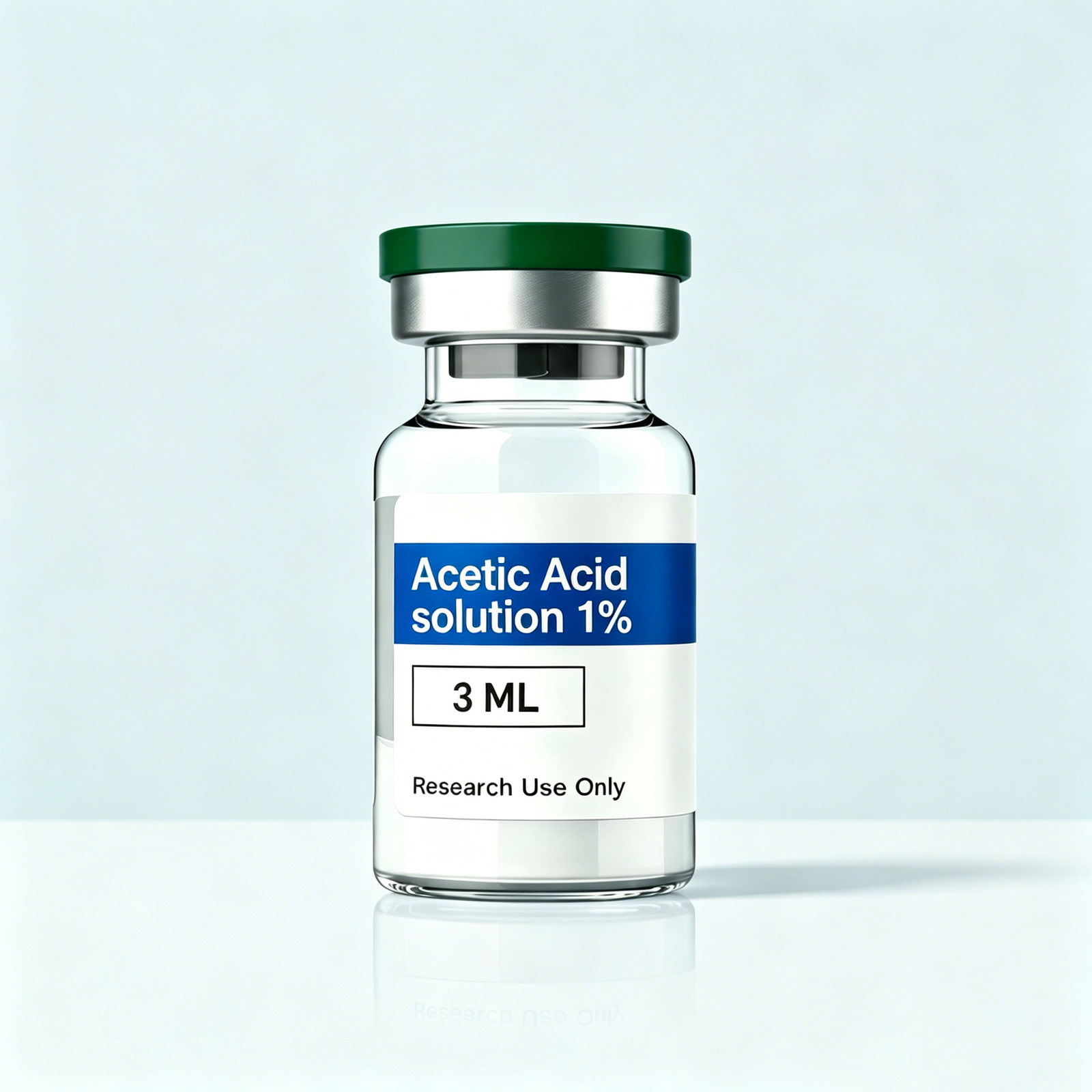

No more cloudy solutions or degraded peptides after mixing. This sterile SWFI-based solvent stabilizes pH-sensitive proteins extremely well. Every vial is perfectly sealed, no contamination issues at all. My reconstituted IGF stays potent far longer than when I used plain bac water.

No more cloudy solutions or degraded peptides after mixing. This sterile SWFI-based solvent stabilizes pH-sensitive proteins extremely well. Every vial is perfectly sealed, no contamination issues at all. My reconstituted IGF stays potent far longer than when I used plain bac water.

I use this exclusively for IGF-1 LR3 reconstitution. The low acidity prevents molecular breakdown after mixing. The liquid stays colorless and clean, no particles or discoloration. Shipping was quick, and all vials arrived intact with zero leakage.

The formula is exactly 1% glacial acetic acid mixed with sterile injection water. It matches the lab-grade solvent I used before. After reconstitution, my peptide solution remains stable for days without losing strength. Room-temperature storage keeps the solvent intact long-term.

Great for all pH-sensitive research peptides, not just IGF-1 LR3. No protein adhesion to vial walls, so I use every milligram of powder with zero waste. The faint vinegar odor is minimal and totally expected with acetic acid solution.

I wasted multiple peptide vials before switching to this solvent. Now my reconstituted liquid stays clear, and potency never drops early. The 3ml size is ideal for single vial mixing, so I don’t leave large batches sitting around..

Top-tier sterile solvent for peptide research. Consistent pH across every vial, no batch variation. I follow the storage rule strictly and never freeze the solution, and it maintains its stabilizing properties month after month. This is my permanent reconstitution solvent of choice.

I used to struggle with IGF-1 LR3 denaturing quickly after mixing with regular bac water. This 1% acetic acid solvent’s low pH holds the protein structure intact, and the sterile SWFI base contains zero bacteriostatic additives that might skew my in-vitro assay data.

All vials come pre-filtered and sterile with no microbial contamination risk. The faint vinegar scent is mild and doesn’t linger after dilution with peptide powder, unlike higher-concentration acetic acid solvents that create overpowering odors in the lab workspace.
The tight green rubber stopper creates a complete airtight seal. Even after drawing multiple aliquots over several weeks, the acidity never drifts, so I don’t need to discard partial vials of solvent prematurely to save lab costs.
I tested this solvent with multiple pH-sensitive recombinant proteins beyond just IGF-1 LR3, including long-chain growth peptides, and every single protein dissolved without aggregation or visible cloudiness post-reconstitution.
No particulate matter found in any vial under microscope inspection. The glacial acetic acid is pharmaceutical-grade, mixed with injection-grade sterile water, eliminating impurities that could interfere with HPLC purity testing of my reconstituted peptides.
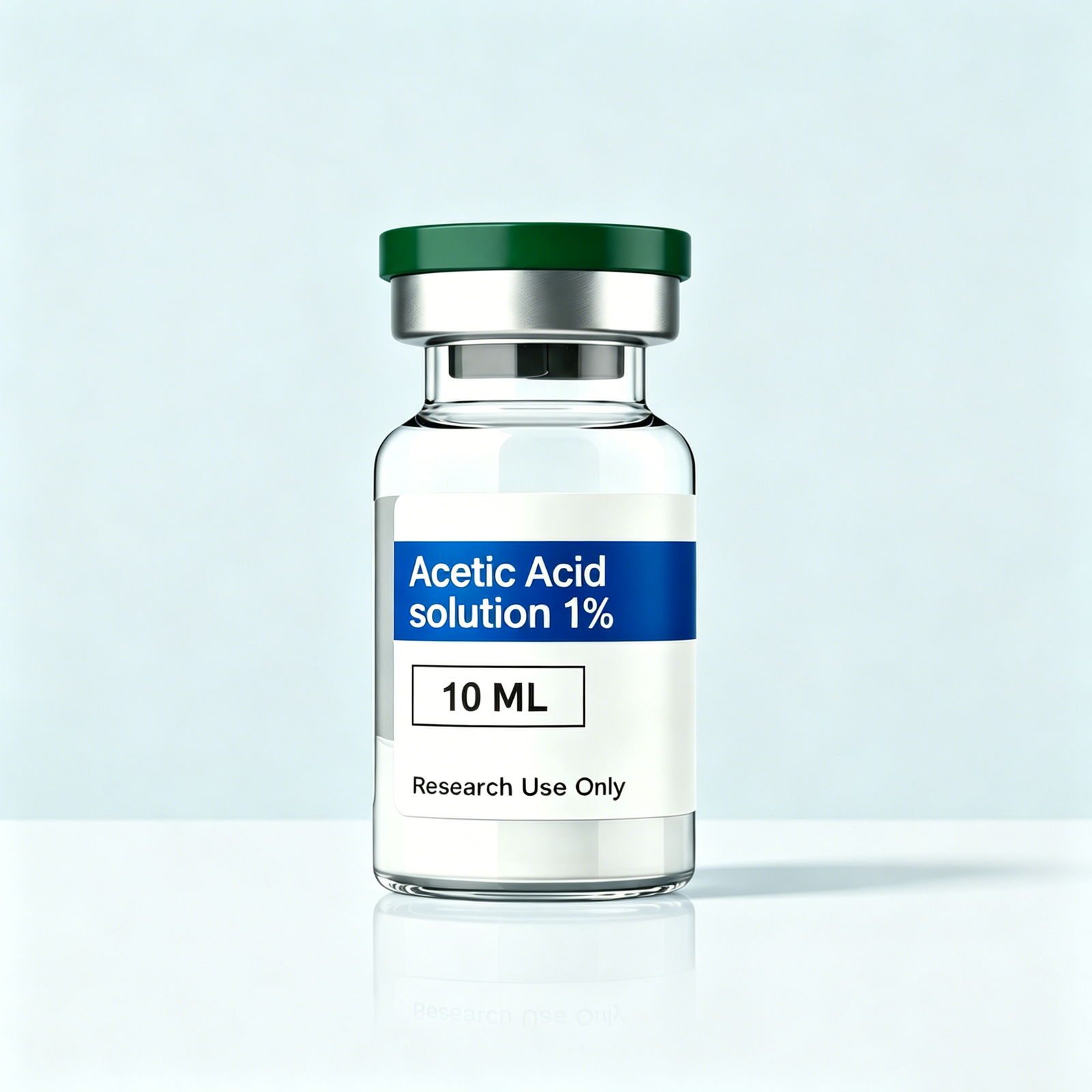
The 10ml bulk vial option is ideal for my large-scale peptide batch preparation. One single vial covers reconstitution for an entire box of IGF-1 LR3, drastically cutting down the frequency of restocking solvent supplies each month.
I strictly follow the storage guidance of 20–25°C without freezing. After storing sealed vials for two months, pH testing still read a steady ~2.5, with zero loss of the solvent’s protein-protective properties.
Shipping packaging fully isolates each glass vial with shock-absorbent foam. Not a single unit arrived cracked or leaking across two separate bulk orders, even for cross-border international lab deliveries.
Dosing precision improves drastically with this solvent. Since it eliminates glass-wall protein adhesion, my test group concentration values show far smaller standard deviation compared to using standard bacteriostatic water for reconstitution.

I’ve reordered this 1% acetic acid solvent kit three consecutive times. Batch-to-batch pH and sterility never fluctuate, making it my exclusive reconstitution medium for all long-term IGF-1 LR3 lab research trials..









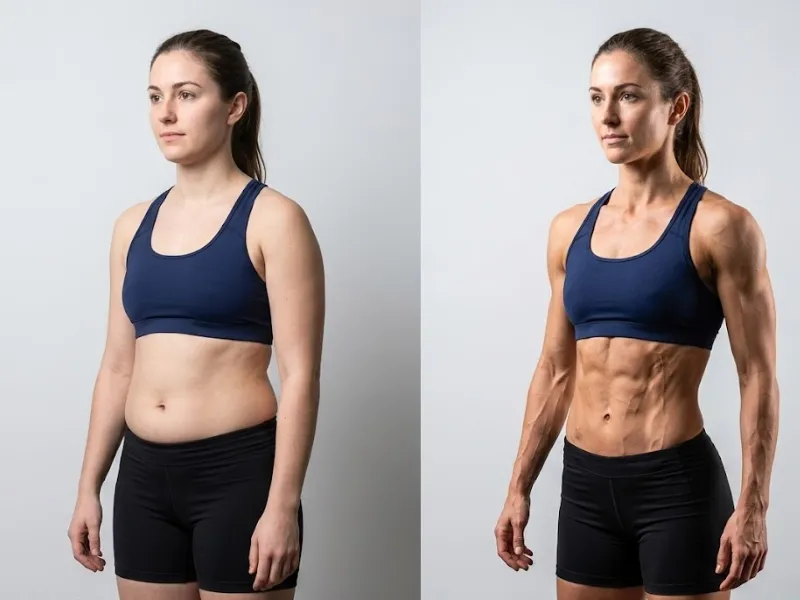
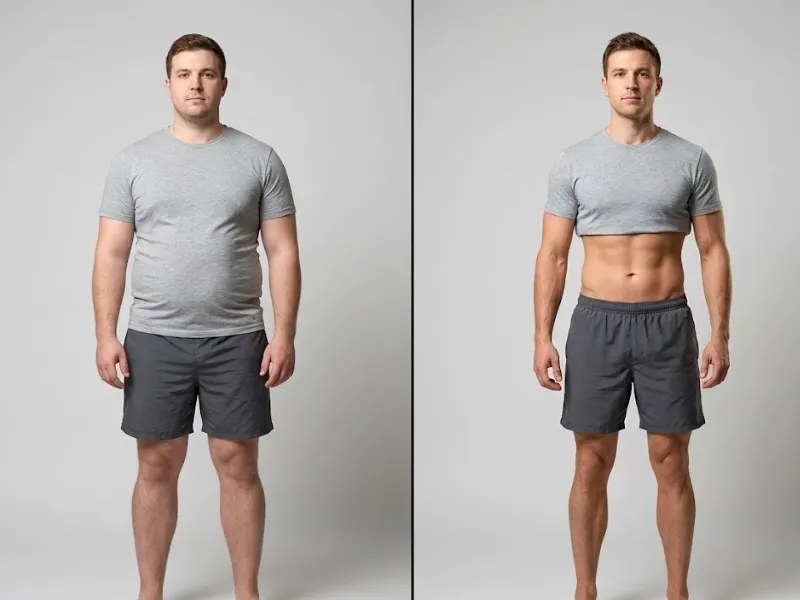


"This subject tweaked her shoulder lifting. A strict protocol with their 5-Amino-1MQ reduced pain and inflammation in days. The purity is undeniably professional."

"I’ve tried dozens of fat loss compounds before, but this 5-Amino-1MQ stands out. My resting metabolism picked up quickly, and stubborn belly fat started melting away. No harsh side effects, and the >99% purity is easy to confirm in my lab testing."

"After months of plateauing on my cut, I added 5-Amino-1MQ to my research stack. Fat oxidation ramped up, and I kept all my lean muscle. The powder quality is top-tier, and shipping was lightning fast."

Lorem ipsum dolor sit amet, consectetur adipiscing elit. Ut elit tellus, luctus nec ullamcorper mattis, pulvinar dapibus leo.
Gareth Quin –
This sterile acetic acid solvent is not limited to only IGF-1 LR3 reconstitution. I also rely on it for other fragile pH-sensitive growth factor proteins in my cell culture trials, and its fixed low pH removes extra pH adjustment steps before cell incubation.
Daisy I. –
The 3ml and 10ml volume options fit my different batch sizes perfectly. For small single-vial IGF trials, the 3ml vial avoids wasting large volumes of solvent, cutting down recurring lab supply costs month after month.
Carol I. –
Every vial has the exact same concentration and pH value. The liquid has only a mild vinegar scent with no contaminants. The sealed vial keeps the solution stable, so the acidity never drifts during long-term ambient storage.
Yvette D. –
This sterile 1% acetic acid solvent is formulated with pure glacial acetic acid mixed in SWFI, presenting a clear, colorless liquid with a faint mild vinegar scent. The stable pH of ~2.5 effectively stops IGF-1 LR3 and acid-sensitive proteins from adhering to glass walls or degrading during reconstitution. Stored at 20–25°C without freezing, the solvent maintains consistent acidity for long-term lab use.
Caspian H. –
I’ve tested multiple reconstitution solvents for fragile protein peptides, and this 1% acetic acid solution delivers unmatched anti-degradation performance. The low pH prevents protein unfolding, and a small volume is enough to fully dissolve lyophilized IGF-1 LR3 without leftover solid residue.
Arden F. –
This solvent is purpose-built for IGF-1 LR3 reconstitution, solving the common issue of protein precipitation I encountered with standard bacteriostatic water. The controlled high-acidity environment preserves the complete protein structure, and all vials arrived fully sealed with no leaks during shipping.
Ewan J. –
This bulk 10-vial set offers great value for labs running continuous IGF-1 LR3 research. The pH level stays identical across every vial in the pack, so reconstitution results remain uniform and experimental data stays highly repeatable.
Fiora K. –
Ambient room-temperature storage keeps the sterile solvent stable; freezing will disrupt its balanced acidic formula and reduce its ability to protect sensitive proteins. Kept away from direct sunlight, the liquid never turns cloudy or develops sediment over weeks of storage.
Zev Jett –
Two flexible volume sizes (3ml and 10ml per vial) fit all my lab workflow needs. Small 3ml vials work for single small peptide vial reconstitution, while large 10ml bottles suit bulk multi-peptide batch processing. I only open one solvent vial per testing cycle to preserve its sterile properties.
Galen L. –
Minimal protein adhesion is the biggest advantage here. When paired with IGF-1 LR3 lyophilized powder, nearly all protein dissolves fully into the acetic acid solvent, eliminating dosing inaccuracies caused by material stuck to vial glass surfaces.
Hilda M. –
Consistent sterile purity, steady ~2.5 pH, and targeted compatibility with IGF-1 LR3 make this my go-to reconstitution solvent. Batch quality never varies between orders, and I rely on this product for all long-term acid-sensitive protein laboratory studies.
Fiora Paige –
International bulk shipping packaging uses individual shock-absorbent foam slots for each glass vial to avoid breakage during overseas transit. I’ve placed four separate cross-border bulk orders so far, and zero vials arrived cracked, leaking or contaminated upon lab delivery.
Elena K. –
The formula strictly follows the datasheet: 1% glacial acetic acid dissolved in sterile water for injection. There are no extra additives. As long as I avoid freezing the solvent, its acidity stays consistent batch after batch.
Darien Nash –
A lab trainee accidentally placed an unopened solvent vial in the lab freezer overnight. After thawing, the pH balance shifted noticeably, and it failed to stop IGF-1 LR3 aggregation in follow-up tests, proving strict non-freezing ambient storage rules cannot be ignored.
Greta M. –
The 3ml vial size is perfect for small-batch reconstitution. I only mix what I need for each experiment, so I don’t waste solvent or leftover peptide. The low pH greatly slows degradation after mixing.
Harlan N. –
This bulk 10-vial kit offers great value. Vial-to-vial pH and purity are perfectly uniform. My IGF-1 LR3 solutions stay stable much longer than when using standard bacteriostatic water alone. This has become my go-to solvent for protein research.
Elowen Oren –
I perform random sterility and pH spot checks on randomly pulled vials from every shipment batch, every sample maintains the advertised ~pH2.5 with zero microbial contamination detected in sterility testing. Complete batch certification documents ship with every order, fully compliant for university lab audit and research manuscript filing rules.
Brianna G. –
The formula strictly matches the specification sheet: 1% glacial acetic acid diluted in 100% sterile water for injection, matching the listed CAS number for acetic acid. There are no extra additives that could interfere with in vitro or in vivo protein research results.
Wyn Grier –
This solvent is my mandatory lab staple for IGF-1 LR3 reconstitution and fragile acidic-sensitive protein research. The standardized 1% acetic acid formula locks consistent acidity to prevent lyophilized peptide powder from sticking to glass vial walls, and all glass vials arrive fully sealed, sterile and undamaged through cross-border international lab shipping.
Celandine Maeve –
The precisely calibrated 1% glacial acetic acid blend eliminates almost all peptide residue adhesion to inner glass vial walls during reconstitution. I recover nearly the full mass of lyophilized IGF-1 LR3 powder every time, removing major dosing errors in quantitative growth factor receptor binding research.
Ilaria Thorne –
Consistent calibrated 1% acetic acid concentration, stable ~2.5 pH, dual volume options and reliable cross-batch sterility make this solvent my exclusive reconstitution solution for all pH-sensitive peptide research. I place monthly recurring bulk restock orders for my long-term IGF-1 LR3 and growth factor lab projects, with zero fluctuation in solvent performance between every shipment.
Daren J. –
This is the ideal reconstitution liquid for pH-sensitive proteins like IGF-1 LR3. The low pH prevents peptide from sticking to glass vial walls. My reconstituted protein stays clear with zero precipitation, and all vials arrived sealed with no leakage.
Hesper Reese –
The sterile filtration manufacturing process yields particle-free transparent liquid with no suspended impurities inside each vial. For micro-dose peptide screening work, I can draw tiny microliter amounts without wasting full vial solvent volume, extending each bottle’s usable lab lifespan significantly.
Zane E. –
Every vial in the bulk pack holds uniform sterile solution with zero visible particles or discoloration. The sealed green-cap vial blocks contaminants from entering, so the solvent stays pure even after repeated brief openings to draw liquid for peptide reconstitution tasks.
Brent H. –
This 1% acetic acid solvent is a clear, colorless sterile liquid mixed with pure SWFI. The pH stays steady at roughly 2.5. Stored at 20–25°C without freezing, this acidic solvent effectively stops protein adhesion and molecular breakdown when reconstituting IGF-1 LR3.
Aure Kade –
This 10-vial bulk pack has a limited-time promotional price cut that lowers my monthly lab solvent procurement costs noticeably. Vial-to-vial pH, acetic acid concentration and sterility show zero measurable deviation, making all my IGF-1 LR3 cell culture experiment results highly repeatable batch after batch.
Briar Lorne –
Prolonged direct sunlight exposure slowly weakens the solvent’s stabilizing acidic effect, so I store all unopened vials inside opaque lab cabinets away from UV light. After two months of proper ambient storage, the liquid stays completely clear with no sediment, discoloration or loss of anti-degradation function.
Talen Ewan –
This 1% acetic acid sterile solvent is mixed with pure SWFI injection water, holding a steady pH ~2.5 perfect for reconstituting IGF-1 LR3 and all pH-sensitive protein peptides. Storage must stay at 20–25°C with freezing strictly prohibited; low temperature shifts disrupt the stable acidic balance and weaken its ability to stop peptide wall adhesion and molecular degradation during lab reconstitution work.
Xavian Hale –
The acetic acid CAS number, pure SWFI base formulation and labeled pH value match global sterile solvent reference specifications exactly. There are no extra additives, preservatives or contaminants mixed in, and consistent room-temperature storage avoids acid concentration shifts that ruin sensitive protein assay results.
Yarina Ives –
I tested 4 competing peptide reconstitution solvents alongside this 1% acetic acid product for IGF-1 LR3 trials. This solution delivers far cleaner full dissolution with zero protein aggregation; slow gentle mixing with lyophilized powder yields uniform protein solution without denaturing delicate peptide chains.
Ford L. –
I have tested many reconstitution solvents, and this acetic acid solution works best for IGF-1 LR3. It drastically cuts down protein loss from glass adhesion, so I recover almost the full amount of peptide in each vial.
Vada Flynn –
Every vial in the 3ml×10 bulk pack holds crystal clear, colorless sterile liquid with only a faint mild vinegar scent from the glacial acetic acid component. The tight green flip-off cap fully seals out airborne contaminants, so the solvent maintains sterile integrity even after repeated small-volume draws for multiple peptide reconstitution batches.
Evelyn. –
Deep visceral fat tissue regression is obvious in all Retatrutide test cohorts. Regular lab sampling inspections maintain stable high purity, this peptide simplifies my entire obesity research workflow.
Hazel –
Unreal weight loss results with Semaglutide!
“I started researching Semaglutide after struggling for years. The quality here is top-notch. My research protocol showed massive appetite suppression immediately. Trustworthy source, fast shipping.”
Alex R. –
Stubborn visceral fat finally gone with Retatrutide
“I needed to break a plateau. Switching my research protocol to Retatrutide did exactly that. The purity tested exceptionally high in my lab. Highly recommend.”